
In April 2026, the digital landscape for education has shifted from simple digitisation to AI-driven personalisation. Whether you are preparing for college finals or competitive exams like the Kerala CSEB, finding the best study app is no longer just about convenience—it is about efficiency. With the increasing pressure of modern curricula and the explosion of information, students need tools that don't just store data but actively help them master, synthesise, and retain it for the long term.
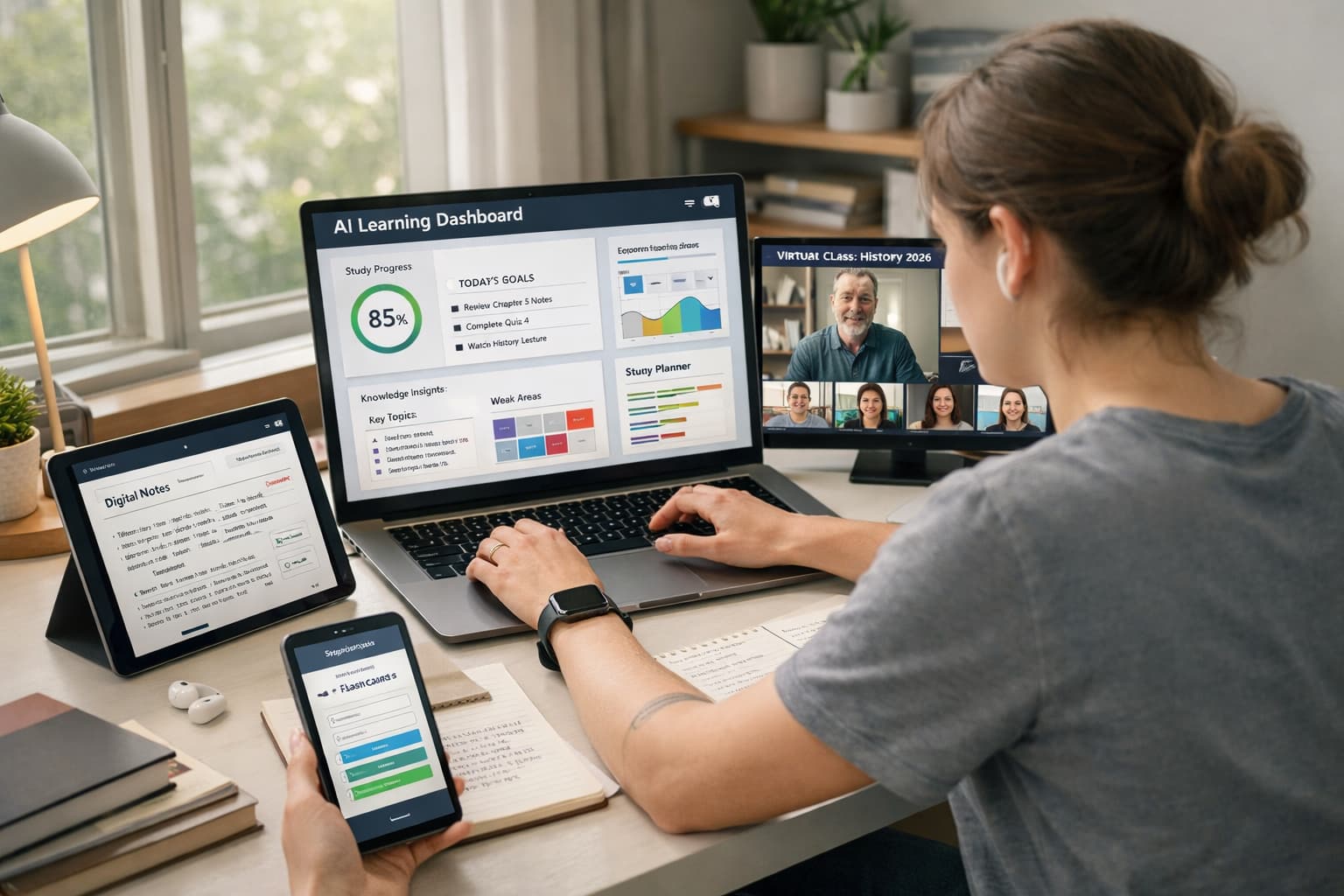
In this comprehensive guide, we explore the most useful apps for students that cater to every stage of the learning process: from attending high-definition virtual lectures to the intense final hours of revision and psychological preparation.
What Makes a Good Study App for Students
Not every application on the Play Store or App Store deserves space on your device. In an era of "app fatigue," the effectiveness of a tool is measured by how well it reduces friction in the learning process. When asking which app is best for study, you should look for five core pillars that define excellence in 2026:
- Adaptive Learning & AI Integration: The top tools now use Large Language Models (LLMs) to identify your unique weak spots. Instead of a linear curriculum, they adjust the difficulty and focus based on your real-time performance.
- Cross-Platform Sync & Cloud Continuity: Your notes should move seamlessly between your smartphone, tablet, and laptop. The ability to start an essay on a desktop and review it via voice-to-text on a commute is now a standard requirement.
- Offline Accessibility: Despite global connectivity, reliable access to materials without an internet connection is vital. The best apps allow for full local caching of textbooks and video lectures to ensure progress never stops.
- Gamification & Social Accountability: Features like "study streaks," leaderboard rankings, and virtual rewards are not just gimmicks; they are essential psychological triggers that help maintain motivation during long, grueling preparation cycles.
- Data Privacy and Ethics: As apps collect more data on learning habits, the best platforms are those that guarantee student data is not used for invasive advertising but solely for improving educational outcomes.

Best Apps for Study and Daily Learning
For daily academic success, the best app for study is often one that helps you synthesise complex information into understandable chunks.
- Khan Academy (with Khanmigo): Still the gold standard for conceptual clarity, now supercharged with its AI integration, Khanmigo. It doesn't just give answers; it acts as a Socratic tutor, asking the right questions to lead the student to their own "aha!" moment in math, science, and humanities.
- Anki / Quizlet: These remain the undisputed leaders in active recall. While Anki is preferred by medical and law students for its powerful, customisable spaced repetition algorithm, Quizlet offers a more modern UI and a vast library of pre-made sets shared by millions of users globally.
- Obsidian & Logseq: For students who want to build a "Second Brain," these tools allow for networked note-taking. Instead of folders, you create a web of interconnected ideas, which is perfect for complex subjects where one concept builds upon another.
Best Apps for Online Classes
The shift to hybrid learning models has made the search for the best app for online classes free of cost a priority. Modern platforms have moved beyond simple video calls to fully immersive virtual classrooms.

- Google Meet & Zoom: These industry leaders now feature real-time automated transcriptions, AI-generated summaries of missed minutes, and "breakout rooms" that facilitate peer-to-peer collaboration even in massive open online courses (MOOCs).
- Microsoft Teams for Education: The preferred choice for institutional learning. Its deep integration with the Office 365 suite allows students to collaborate on a single Word document or PowerPoint presentation simultaneously while attending a live lecture.
- Coursera & edX: If you are looking for an online learning platform for students that provides university-level certifications, these are unmatched. In 2026, they offer "audit" modes for almost every course, allowing you to learn from Ivy League professors for free, paying only if you require a verified certificate.
Best Productivity Apps for Students
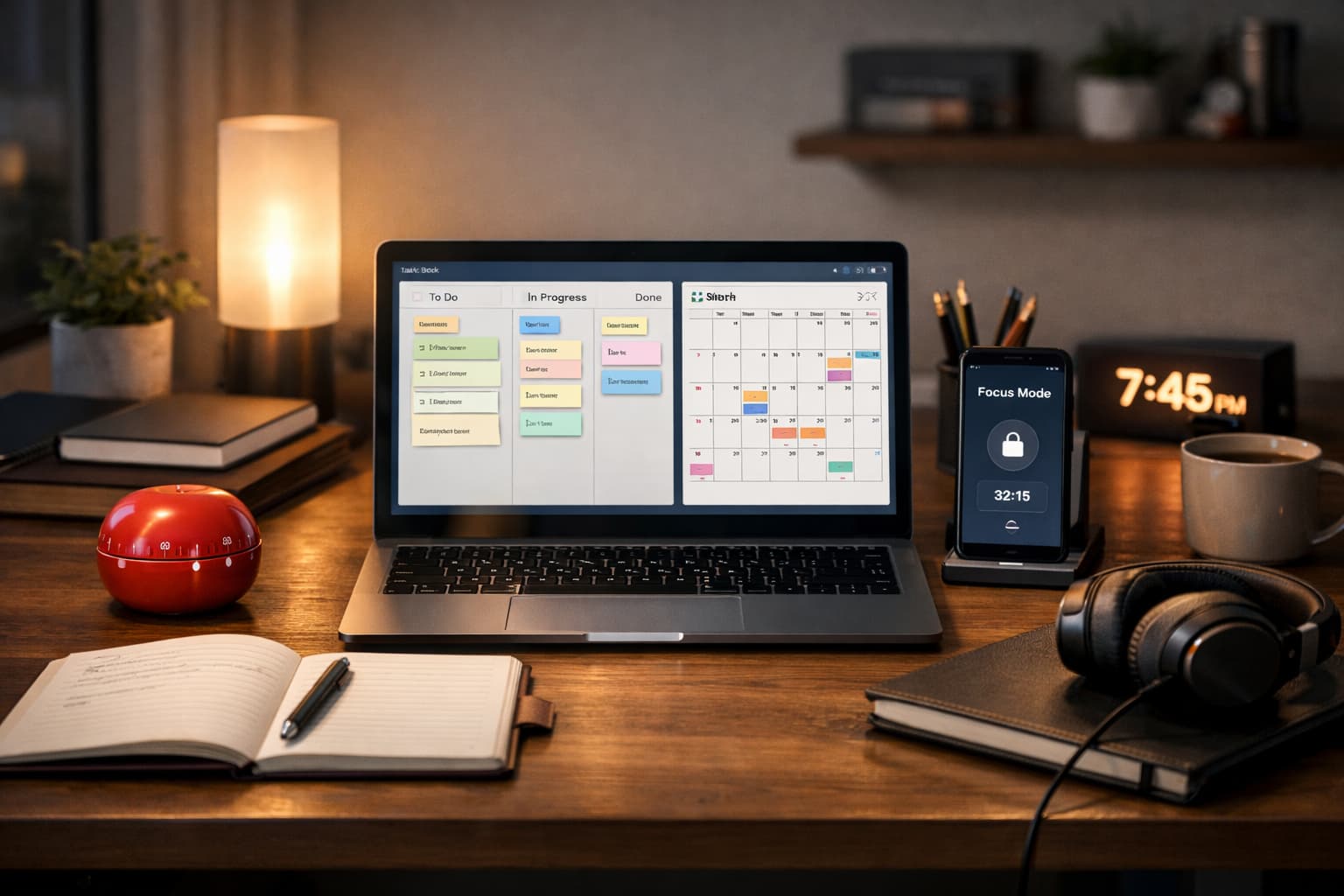
Time management is often the biggest hurdle in modern education. The following productivity apps for students help manage "cognitive load" and fight the constant urge to procrastinate:
- Notion: This all-in-one workspace has evolved into the ultimate student dashboard. You can track assignments, build "Kanban" boards for group projects, and even use built-in AI to summarise long lecture notes or brainstorm essay outlines.
- Forest & Tide: These tools use the Pomodoro technique to ensure "Deep Work." Forest gamifies focus by growing virtual trees, while Tide provides high-quality ambient sounds to mask distractions in noisy environments.
- Todoist & MyStudyLife: Among the best productivity apps for students for logistical management. MyStudyLife is specifically designed for academic schedules, handling rotating timetables and tracking exam dates more effectively than a standard calendar.
Best Exam Preparation Apps for Students
When the clock is ticking and "Finals Week" approaches, you need the best exam preparation app to simulate the pressure and format of the real testing environment.
- Testbook & Gradeup: Specifically tailored for Indian competitive exams (including SSC, Banking, and Kerala PSC), these platforms offer over 200,000 mock tests. Their analytics dashboards tell you exactly how you rank against thousands of other aspirants.
- BYJU'S Exam Prep: Known for its structured courses and daily "current affairs" updates. Its adaptive testing engine identifies patterns in your mistakes and generates custom practice sets.
- Unacademy: Frequently cited as the best app for exam preparation free sessions. Their "Special Classes" provide live interaction with top educators, allowing students to clear doubts in real-time.
- Laxu AI: This powerful AI-driven system has become a staple for students in 2026. It allows you to upload PDFs, lecture recordings, or photos of handwritten notes to generate instant, high-quality flashcards and adaptive quizzes.

How to Choose the Right Digital Learning Platform
With an overwhelming number of options, selecting the right digital learning platform is about building a personal "Study Stack" rather than downloading every app available. In 2026, students must also look beyond education-only apps to understand how global digital ecosystems function.
- Analyze Interface and Architecture: For students of IT, design, and digital marketing, studying successful high-traffic platforms is a valuable educational exercise. Some of them can serve as a prime example of modern UI/UX optimization and high-load system architecture. By examining how such platforms manage secure transactions and massive concurrent user data, students can gain practical insights into the technologies that power today's most successful digital environments.
- Identify Your Primary Learning Style: If you are a visual learner, prioritise platforms like Khan Academy or BYJU'S for their high-quality video animations.
- Consider the Specific Goal: Preparing for a government job requires different tools than studying for a Master's degree. Choose an online learning platform for students that has a proven track record in your specific field of study.
- Budget vs. Value: While many seek the best app for online classes free, sometimes a small investment in a "Pro" version of a tool like Notion or Quizlet can save hours of manual work.
By strategically combining these digital tools with consistent effort and a clear schedule, you can transform your academic performance, reduce stress, and secure your future in the highly competitive job market of 2026.

